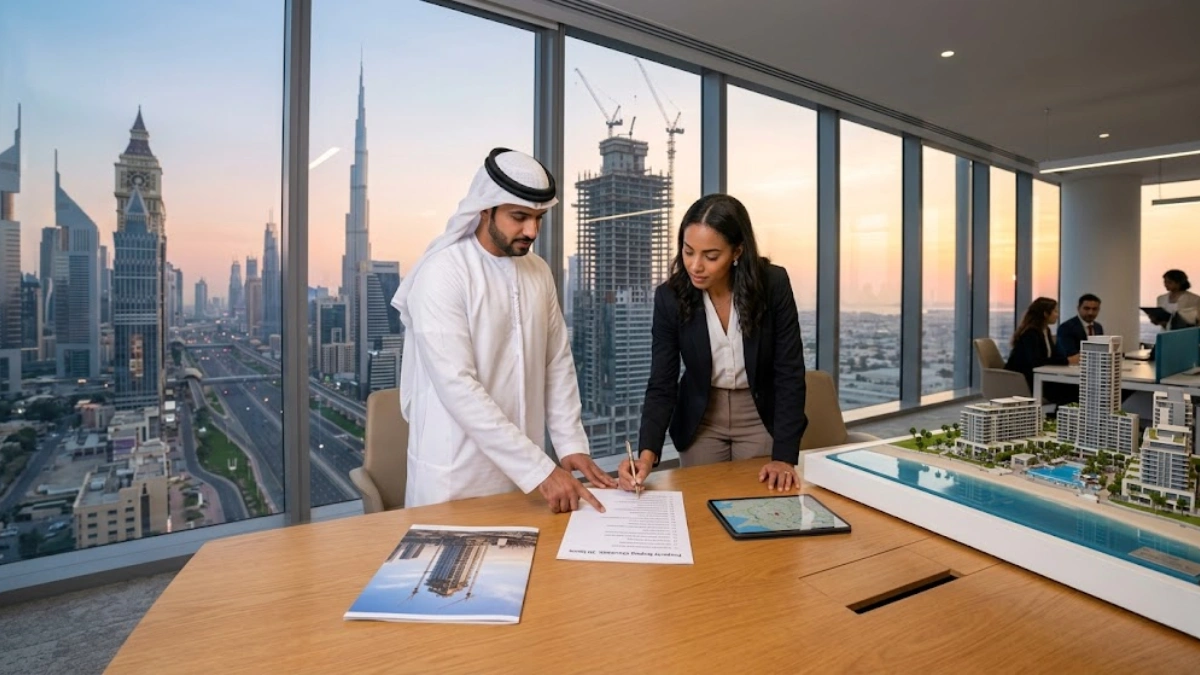
Buying property in Dubai can be an exciting investment opportunity, whether you are purchasing a home, a vacation apartment, or a rental property. Dubai offers tax advantages, strong rental yields, luxury developments, and residency opportunities that attract investors from around the world.
However, signing a property agreement without proper research can lead to financial mistakes, legal complications, or unexpected costs. Before committing to any property purchase, buyers should complete a detailed checklist to protect their investment.
This guide covers 20 essential things you should do before signing a property deal in Dubai.
Understand Your Investment Goal
Before searching for properties, clearly define why you are buying.
Your goal may be:
- Rental income
- Long-term capital appreciation
- Holiday home ownership
- Residency visa eligibility
- Personal residence
Your investment purpose will influence:
- Budget
- Area selection
- Property type
- Financing choice
- Expected ROI
Set a Realistic Budget
Many buyers focus only on the property price and forget additional costs.
Besides the purchase amount, budget for:
| Expense | Estimated Cost |
|---|---|
| Dubai Land Department Fee | 4% |
| Agent Commission | Around 2% |
| Trustee Fee | AED 2,000–4,000 |
| Mortgage Registration | 0.25% |
| Service Charges | Annual |
| Furnishing Costs | Variable |
Always maintain extra savings for emergencies and future maintenance.
Check Whether the Area Is Freehold
Foreign buyers can only fully own property in designated freehold zones.
Popular freehold areas include:
- Downtown Dubai
- Dubai Marina
- Palm Jumeirah
- Business Bay
- Jumeirah Village Circle
Always confirm ownership rights before proceeding.
Research the Developer Carefully
If buying off-plan property, developer reputation is extremely important.
Well-known developers include:
- Emaar Properties
- DAMAC Properties
- Nakheel
- Sobha Realty
Review the developer’s:
- Previous projects
- Delivery timelines
- Construction quality
- Customer reviews
Verify Project Registration
Ensure the project is registered with the:
- Dubai Land Department
- Real Estate Regulatory Agency
Registered projects provide stronger legal protection for buyers.
Check the Property Title Deed
For ready properties, confirm the seller legally owns the property.
Verify:
- Property details
- Ownership status
- Existing mortgages
- Legal disputes
Never proceed without proper documentation.
Inspect the Property Personally
Photos and brochures can be misleading.
During inspection, check:
- Water leakage
- Air conditioning
- Flooring quality
- Plumbing
- Electrical systems
- Building maintenance
If possible, hire a professional inspector.
Study the Building Amenities
Amenities can affect both lifestyle and rental demand.
Common facilities include:
- Gym
- Swimming pool
- Parking
- Security
- Children’s play areas
- Retail spaces
Luxury amenities may also increase service charges.
Understand Service Charges
Dubai properties often include annual maintenance fees.
Service charges cover:
- Security
- Cleaning
- Facility maintenance
- Landscaping
- Shared utilities
Always calculate these long-term costs before signing.
Review the Payment Plan
For off-plan properties, carefully review installment schedules.
Understand:
- Booking amount
- Construction-linked payments
- Handover payments
- Post-handover plans
- Late payment penalties
Choose a plan that fits your financial situation comfortably.
Compare Market Prices
Do not rely solely on the seller’s asking price.
Compare similar properties in the same area based on:
- Size
- View
- Building age
- Amenities
- Rental yield
Market research helps avoid overpaying.
Check Rental Yield Potential
If investing for rental income, analyze:
- Average rental rates
- Occupancy demand
- Tenant demographics
- Future supply in the area
Areas like Dubai Marina and Business Bay are often popular among tenants.
Understand Mortgage Eligibility
Foreign buyers can obtain mortgages from UAE banks, but terms vary.
Check:
- Down payment requirements
- Interest rates
- Loan tenure
- Monthly repayment affordability
Getting pre-approval can strengthen your negotiation position.
Review the Sales and Purchase Agreement Carefully
The Sales and Purchase Agreement (SPA) is legally binding.
Pay attention to:
- Completion dates
- Refund clauses
- Penalties
- Cancellation terms
- Developer obligations
Never sign documents you fully do not understand.
Confirm Hidden Costs
Some buyers overlook additional ownership expenses.
Possible hidden costs include:
- DEWA connection fees
- Cooling charges
- Parking fees
- Furniture expenses
- Moving costs
- Property management fees
Include all expenses in your investment calculations.
Evaluate Future Infrastructure Projects
Upcoming developments can increase property value significantly.
Research nearby plans such as:
- Metro expansions
- Shopping malls
- Schools
- Business districts
- Tourism projects
Infrastructure growth often drives long-term appreciation.
Check the Handover Timeline
For off-plan properties, delays are possible.
Ask the developer about:
- Current construction progress
- Expected completion date
- Delay compensation policies
Avoid projects with poor delivery histories.
Work With a Licensed Real Estate Agent
Always use agents registered with Dubai authorities.
A qualified agent can help with:
- Negotiations
- Legal paperwork
- Market insights
- Property verification
Never transfer money to unverified individuals.
Understand Residency Visa Eligibility
Property investment may qualify buyers for UAE residency visas.
Popular visa categories include:
| Investment Amount | Possible Visa |
|---|---|
| AED 750,000+ | 2-Year Investor Visa |
| AED 2 Million+ | 10-Year Golden Visa |
Check updated immigration requirements before applying.
Calculate Long-Term ROI
Successful investors focus on long-term returns instead of short-term hype.
Calculate:
- Expected rental income
- Annual expenses
- Capital appreciation potential
- Mortgage costs
- Vacancy risk
A realistic ROI analysis helps make smarter investment decisions.
Avoid Emotional Buying Decisions
Luxury marketing campaigns can influence buyers emotionally.
Stay focused on:
- Financial fundamentals
- Market demand
- Long-term sustainability
- Budget discipline
Always make investment decisions based on research rather than excitement.
Why Due Diligence Matters in Dubai Real Estate
Dubai’s real estate market offers excellent opportunities, but buyers should never rush into transactions.
Proper due diligence helps you:
- Reduce legal risks
- Avoid overpaying
- Protect investment capital
- Improve ROI potential
- Prevent future disputes
Careful planning is especially important for first-time foreign investors.
FAQs
Can foreigners legally buy property in Dubai?
Yes, foreigners can buy property in designated freehold areas across Dubai.
What are the biggest risks when buying Dubai property?
Common risks include overpaying, construction delays, hidden charges, and weak developer reputation.
How much extra money should buyers budget beyond the property price?
Buyers should generally budget an additional 6%–8% for fees and charges.
Should I hire a lawyer before signing?
Hiring a real estate lawyer is highly recommended, especially for high-value transactions.
What is the most important thing to verify before signing?
Buyers should verify ownership documents, developer registration, and all contract terms carefully.
Is off-plan property riskier than ready property?
Yes, off-plan properties carry higher risks due to construction delays and market fluctuations, but they may also offer stronger appreciation potential.
Final Thoughts
Buying property in Dubai can be highly rewarding when approached carefully and strategically. From checking legal documents to understanding service charges and evaluating developer reputation, every step matters before signing a deal.
Dubai continues to attract global investors due to its tax-friendly environment, strong infrastructure, and growing real estate market. However, successful investing depends on research, financial planning, and informed decision-making.
By following this 20-point property buying checklist, investors can avoid costly mistakes and purchase Dubai real estate with greater confidence.